 《管子》译介网
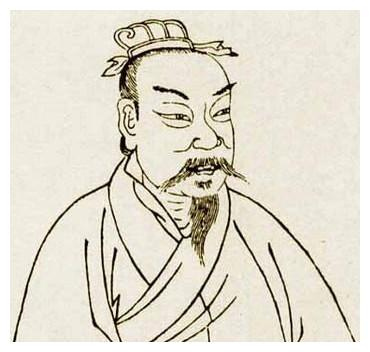
第四十八 治国
On Governing a State
治国第四十八
48.On Governing a State
凡治国之道,必先富民,
大凡治国,最重要的是要先使人民富裕起来。
Regarding governing a state, the most important thing is to enrich the common people.
民富则易治也,
人民富裕了,就容易治理;
If the people are wealthy, they can be easily administered.
民贫则难治也。
人民贫穷,就难以治理。
If they are destitute, it will be very difficult to administer them.
奚以知其 然也?
我怎么知道是这样的呢?
How could I know that?
民富则安乡重家;
人民富裕,就会安于家乡而且珍惜家国;
If the common people are wealthy, they will feel settled in their hometown and attach much importance to their families.
安乡重家,则敬上畏罪;
人们安乡重家,就会恭敬君主并是娱刑罪;
If they feel settled in their hometown and attach much importance to their families, they will respect the sovereign and be afraid of being punished.
敬上畏罪,则易治也。
人们恭敬君主并是惧刑罪,就容易治理。
If they respect the sovereign and are afraid of being punished, they will be easily administered.
民贫则危乡轻家;
人民贫穷,就不安于家乡而且轻视家园;
When the people are destitute, they will not feel settled in their hometown or attach much importance to their families.
危乡轻家,则敢陵上犯禁;
不安于家乡并轻视家国就敢于对抗君主并违犯禁令;
When they do not feel settled at their hometown and do not attach much importance to their families, they will be disobedient to the sovereign and therefore will breach the injunctions.
陵上犯禁,则难治也。
对抗君主并违犯禁令,就难以治理。
If they are disobedient to the sovereign and breach the injunctions, it will be difficult to administer them.
故治国常富而乱国常贫。
所以,治理得好的国家往往富底,混乱的国家往往贫穷。
Hence, states in order are usually rich and those in disorder are normally destitute.
是以善为国者,必先富民,然后治之。
因此,善于治理国家的君主,一定要首先使人民富裕起来,然后再加以管理。
So, a sovereign good at governing the state should enrich his people first, and then he can manage to administer them and put them in order.
昔者七十九代之君,法制不一,号令不同,
从前一共有七十九代君主,他们的法度、号令都不相同,
There have been seventy-nine sovereigns in history and they all had established different polices and issued various orders.
然俱王天下者,
然而都能统一天下,
Nonetheless, they had all unified the world.
何也?
这是什么原因?
Why?
必国富而粟多也。
一定是国家富底而且粮食丰足的练故。
Because their states were rich and full of food supplies.
夫富国多粟,生于农,
国家富底、粮食丰足来源于农业生产,
Wealth and food supply of a state are produced by the agricultural industry.
故先王贵之。
所以古代圣明的君主都很重视农业。
So ancient sovereigns attached much importance to agricultural industry.
凡为国之急者,必先禁末作文巧。
凡是关心治理国家的当务之急的君主,一定要先禁止商业和手工业。
A sovereign who is concerned with the most important thing in governing the state should stop such details as commerce and handicraft industry.
末作文巧禁,则民无所游食;
禁止了这些,人们就不能游荡谋生;
If these details, commerce and handicraft industry, are stopped, people cannot support themselves by loafing about and doing things randomly.
民无所游食,则必农。
人们无法游荡求生,就只好从事农业。
If they cannot support themselves by loafing about and doing things randomly, they will be forced back to farming.
民事农则田垦,
人民从事农业,土地就能得到开垦;
When the common people are engaged in farming, the lands will be cultivated.
田垦则粟多,
土地开基了,根食就会丰足;
When the lands are cultivated, there will be a lot of food supply.
粟多则国富,
粮食丰足了,因家就会富裕;
When there is a lot of food supply, the state will be enriched.
国富者兵强,
国家富裕了,兵力就会强大,
When the state is enriched, the military strength will be enhanced.
兵强者战胜,
兵力强大了,就可以在战争中取胜;
When the military strength is enhanced, all military actions will be won.
战胜者地广。
能在战争中取胜,国土就会广网。
If they can win all military actions can be won, the territory will be enlarged.
是以先王知众民、强兵、广地、富国之必生于粟也。
因此,古代圣明的君主懂得人口多、兵力强、因土广和国家富归根结底都依桢于根食生产。
So, ancient kings knew that a huge population, a formidable army, a vast territory and a wealthy nation were all dependent upon grain production.
故禁末作,止奇巧,而利农事。
因此,他们都染止商业和手工业,而保导并促进农业生产。
Hence, they would stop commerce and handicraft industry, but take actions to advocate and facilitate farming.
今为末作奇巧者,一日作而五日食,
观今从事商业和手工业的人们,于一天就可以梅够五天吃的粮食。
However, nowadays those who are engaged in commerce and handicraft industry are capable of earning in one day enough food supply that might last for five days.
农夫终岁之作,不足以自食也,然则民舍本事而事末作。
而农民终年辛勤劳动,却不能维持自家的温他。这样,人民就放弃本业(农业)而从事末业(商业与手工业)。
On the other hand, if the farmers work hard all year round but cannot earn enough to support themselves, the people will all give up the essential, (farming)and take up the details (commerce and handicraft industry).
舍本事而事末作,则田荒而国贫矣。
弃农而从事工商业,土地就会荒芜,国家就会贫穷。
If they all give up the essential and take up the details, the fields will become deserted and the state will be impoverished.
凡农者,月不足而岁有余者也,
农民的收入按月计算往往不足,按年计算还会有余。
For the farmers, they might not have enough income monthly, but will have some surplus at the end of the year.
而上征暴急无时,
然而,君主随时都会横征暴敛,
However, the sovereign will levy heavy taxes upon them at any time.
则民倍贷以给上之征矣。
农民只好通过借“一还二”的高利贷来应什征课。
Thus, they have to pay taxes collected by the state with dear money at an interest rate of one hundred percent.
耕荐者有进,
耕田、锄草都有季节性的限制,
The fields should be ploughed and weeded at the right time.
而泽不必足,则民倍贷以取庸矣。
而雨水却不一定充足,农民又只好通过借“一还二”的高利货雇人浇地。
However, there might not be enough rainfall, thus, farmers need to hire people with dear money at an interest rate of one hundred percent to irrigate the fields for them.
秋衆以五,春東以束,
商人秋天从农民手中买粮时出的价是“五”,春天农民从商人手里买粮时,他们要价却是“十”,
In autumn, grain is purchased from them at half price and then it will be sold back to them during the spring at full price.
是又倍贷也。
这实际又是一项“一还二”的高利货。
That is somewhat the same with another share of dear money at an interest rate of one hundred percent again.
故以上之征而倍取于民者四。关市之租、府库之征、粟什一、厮舆之事,
所以,把上面的征敛核算起来,成倍(一取二)索取农民的地方就达到四项,因为他们要付关秘、国库的征收、十分之一的田地以及其他的各种劳役。
Therefore, double taxes are levied upon the farmers four times while they should also pay tariffs, a fixed amount to the exchequer, offer one tenth of their harvest to the nation and pay ransom for other forced labour as well.
此四时亦当一倍贷矣。
这样,一个农民要养四个债主。
And these four items amount to another share of dear money at an interest rate of one hundred percent, too.
夫以一民养四主,
这样,一个农民要养四个债主。
Thus, one farmer should support four usurers at the same time.
故逃徙者刑,而上不能止者,
所以,即使对于外逃者处以刑罚,国君也不能制止农民外流,这是粮食不足而农民又没有任何积著的续数。
As a result, even though vagrants will be punished, the sovereign cannot manage to stop the people from escaping to other places, because they are lack of grain and have no savings.
常山之东,河汝之间,蛋生而晚杀,五谷之所蕃软也。
常山以东,在黄河和汝水之间,作物生长得早,凋落得晚,能够很好地生长与成熟。
East to Mountain Chang, in the area between the Yellow River and the Ru River, crops start to grow very early and wither till very late of the year, so they can grow and ripen well.
四种而五获,
四季都可以播种,五谷都能够丰收。
Crops can be inseminated at any time during all the four seasons and will grow well.
中年亩二石,
中等年成亩产两石粮食
The average output of one mu is two dan of grain (dan is an old Chinese unit of dry measure, one dan amounting to sixty kilograms).
一夫为粟二百石。
一个劳力可以收二百石。
And thus, one farmer can produce two hundred dan of grain.
今也仓廪虚而民无积,农夫以粥子者,上无术以均之也。
然而现在国家粮仓空虚,百姓没有积存,农民被迫卖儿卖女,原因就是君主不能均衡人们的收入。
Nowadays the granaries are empty, the common people do not have any savings and some farmers are forced to sell their children for survival because the sovereign is incapable of distributing the wealth of the nation equally among his people.
故先王使农士商工四民,
所以古代圣明的君主让农民、士人、商人、手工业者互换各自的行业、轮番在这四个领城工作,
However, ancient kings used to ask all the four kinds of people, farmers, intellectuals, businessmen and hand workers, to take turns to exchange their careers to work in all these four areas.
交能易作,终岁之利,无道相过也。
所以在每年年终,他们的收入没有什么差距,不能超出别人。
Thus, at the end of the year, there would be no gap in income between people and no one could surpass the others in wealth.
是以民作一而得均。
这样,人民可以均等就业,他们的收入也会均街。
Hence, if all people are employed uniformly, wealth will be evenly distributed among them.
民作一,则田垦,奸巧不生。
人民能均等就业,田野就会得到开垦,奸伪、巧许就不会发生。
And if all people are employed uniformly, the fields will be well cultivated and there will be no double-dealing or trick.
田垦则粟多,
田野开垦了、根食就会丰足;
When the fields are well cultivated, a huge amount of grain will be produced.
粟多则国富,
粮食丰足了,因家就会富裕。
When a great amount of grain is produced, the state will be rich.
奸巧不生则民治。
没有奸伪、巧诈,人民就能被很好地管理。
And when there is no double-dealing or trick, the people can be successfully administered.
富而治,此王之道也。
国家富裕而人民治理得好,是成就王业的道路。
Hence, enriching the state and putting it in order should be the right path for unifying the world.
不生粟之国亡,
一个国家不生产粮食,就会灭亡;
If a nation cannot produce any grain, it will die out.
粟生而死者霸,
能生产粮食但当年就吃光用尽的国家仅能称霸;
If a state can produce enough grain and then use it up during the same year, it can become one of the most powerful states in the world.
粟生而不死者王。
生产粮食但却食用不尽的国家能成就王业。
If a state can produce enough grain and some of it can also be stored after the needs for consumption are met, it can unify the whole world.
粟也者,民之所归也;
粮食能吸引人民,
Grain can attract people;
粟也者,财之所归也;
粮食能招引财富,
grain can draw wealth;
粟也者,地之所归也。
粮食还能拓展疆域。
and grain can also enlarge the territory.
粟多则天下之物尽至矣。
一个国家的粮食多了,天下所有的物产都会被吸引过来。
When a state is full of grain, then all in the world will be drawn there.
故舜一徙成邑,
所以,舜第一次迁徙建成一“邑”。
So, people followed Shun when he moved for the first time, and a town came into being around him.
二徙成都,
第二次迁徒建成一个“都”,
After his second move (more people followed him), a very big city came into being.
叁徙成国。
第三次迁徒建成一个“国”。
And after his third move (even more followed him), a state was built up.
舜非严刑罚、重禁令而民归之矣,
舜并没有来用严带的刑罚和禁令,但人民都跟定了他,
It was not that Shun had used severe penalties and strict injunctions to confine the people to stay with him.
去者必害,从者必利也。
因为离开他,人们就会受害;而跟随他,人们就会受益。
That happened because those who left him would hurt their own interests, and those who followed hirn would benefit frori it.
先王者,善为民除害兴利,故天下之民归之。
古代圣明的君主善于为人民兴利除害,所以天下人都归附他们。
As for ancient kings, they were good at removing disadvantages and providing advantages for their people, so people all across the world would submit to their authority.
所谓兴利者,利农事也。
所谓兴利,就是采取行动以促进农业生产。
Providing advantages for the people means to take action to facilitate farming.
所谓除害者,禁害农事也。
所谓除害,就是集止妨害农事。
And removing disadvantages for the people means to stop things impeding farming.
农事胜则人粟多,
农业发展了,粮食就会丰足;
If farm work is well done, a lot of grain will be produced.
人粟多则国富,
粮食丰足,国家就会富底;
When a lot of grain is produced, the state will be enriched.
国富则安乡重家,
因家富底,人民就会安居乐业升且珍惜自己的家因;
When the state is rich, the people will feel settled in their hometown and will attach much importance to their families.
安乡重家则
人民安居乐业、珍惜自己的家因,
When they feel settled in their hometown and attach much importance to their families, they will not turn hostile against the sovereign;
虽变俗易习,
即使改变他们的风俗习惯,
even though the prevailing habits and customs of their hometown have changed,
殴众移民至于杀之,而民不恶也,
对他们进行役使,甚至有所杀数,他们都不会对君主心存怨恨。
they will be called in for some big and tough undertakings, or some of them might be executed.
此务粟之功也。
这都是致力于粮食生产的功效。
That is the contribution accomplished by being concerned with farming.
上不利农则粟少,
君主不采取措施促进农业生产的发展,粮食必然会少;
If the sovereign does not take measures to facilitate farming, the state will be short of grain.
粟少则人贫,
粮食少了,人民就会贫因;
When the state is short of grain, the people will be destitute.
人贫则轻家,
人民贫困,他们就会轻视家园;
When the people are destitute, they will not attach importance to their families.
轻家则易去,
轻视家园,就客易外逃;
When they do not attach importance to their families, they will give up their homes easily.
易去则上令不能必行,
人民外逃,所有的命令就不能完全被执行;
If they give up their homes easily, orders issued by the sovereign will not always be carried out.
上令不能必行则禁不能必止,
命令不能完全执行,禁律也不能完全制止;
If orders issued by the sovereign cannot always be carried out, the injunctions might not always be followed, either.
禁不能必止则战不必胜,守不必固矣。
禁律不能完全制止,战争就不一定必胜,防守也不一定必固。
If the people cannot always follow the injunctions, they might not always win all attacks launched by the state or always be capable of defending their nation.
夫令不必行,禁不必止,战不必胜,守不必固,命之日寄生之君。
命今不能必行,禁律不能必止,出战不能必胜,防守不能必固,这种情况下,国君就叫“寄生的君主”。
If orders might not always be carricd out, injunctions might not always be followed as expected, the people might not always win battles launched against others or always be capable of defending their own state, then the sovereign should be regarded as
此由不利农少粟之害也。
这都是不促进农业生产导致缺少粮食而造成的危害。
That happens because he has not taken action to facilitate farming and as a result, the state is short of grain.
粟者,王之本事也,
所以粮食是成就王业的根本,
Grain is the foundation for unifying the world.
人主之大务。
根食生产是君主的重大任务,
So it is of first importance for the sovereign to be committed to grain production.
有人之涂,治国之道也。
还是吸引民众的途径和治理国家的道路。
And grain is also the most efficient measure for winning over the people and putting the state in perfect order.